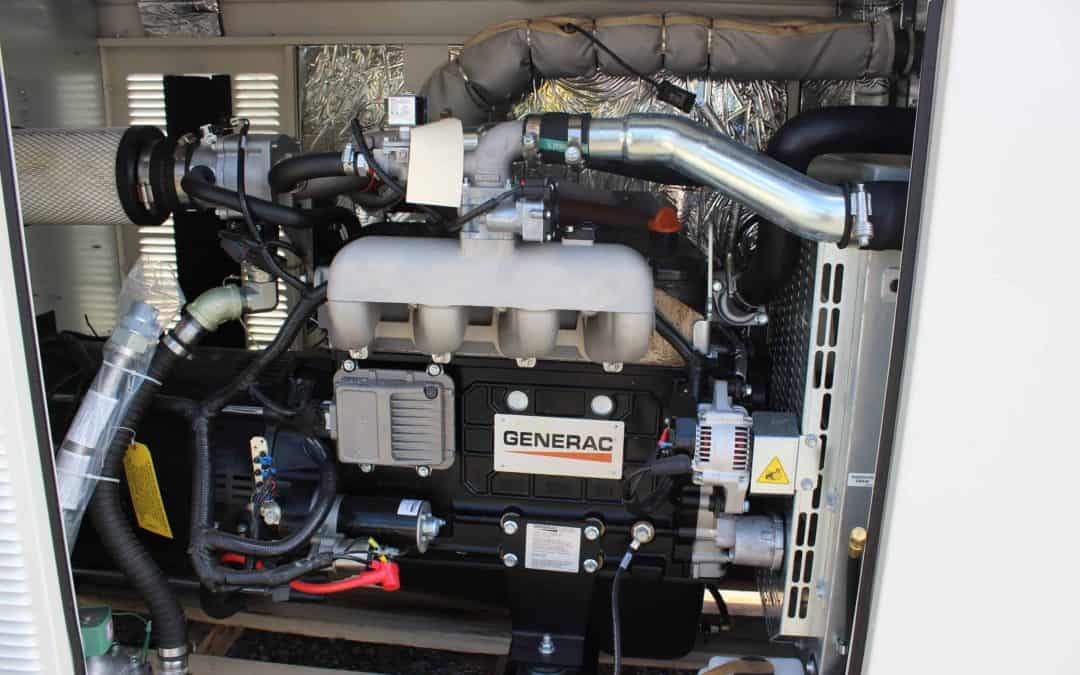
A generator is a significant investment, providing backup power and peace of mind during outages. However, like any machine, it requires proper care to ensure optimal performance and longevity.
By following a few simple maintenance tips, you can protect your investment and enjoy reliable power whenever you need it.
Routine Inspection: The First Line of Defense
Regularly inspecting your generator is the cornerstone of effective maintenance. This simple yet crucial step allows you to identify potential issues before they escalate into major problems.
- Visual Checks: Look for any signs of damage, leaks, or wear and tear. Pay close attention to the fuel lines, electrical connections, and cooling system.
- Check Fluid Levels: Ensure that the oil and coolant levels are within the recommended range. Top up or replace fluids as needed.
- Cleanliness: Keep your generator clean and free from debris. A clean machine runs more efficiently and is less prone to overheating.
Fuel System Maintenance: Keeping the Power Flowing
The fuel system plays a critical role in the performance of your generator. Neglecting this aspect can lead to starting difficulties, poor performance, and even damage to the engine.
- Fresh Fuel: Always use fresh, clean fuel. Stale fuel can clog the carburetor and fuel lines, causing starting problems.
- Fuel Stabilizer: If you don’t use your generator frequently, add a fuel stabilizer to prevent fuel degradation during storage.
- Fuel Filter Replacement: Change the fuel filter regularly to prevent dirt and debris from entering the engine.
Battery Care: The Heart of Your Generator
The battery is essential for starting your generator, especially during power outages. A well-maintained battery ensures that your generator is always ready to deliver power when you need it most.
- Regular Charging: If your generator has a lead-acid battery, keep it charged. Charge the battery monthly or bi-monthly, even if the generator is not in use.
- Clean Connections: Clean the battery terminals and connections to prevent corrosion. A simple wire brush can do the job.
- Replace Old Batteries: Replace old or worn-out batteries. Lead-acid batteries typically last for 3-4 years. If you are in the market for a new generator, consider exploring the various home generators for sale online or at your local hardware store.
Engine Care: The Powerhouse of Your Generator
The engine is the heart of your generator, and proper maintenance is essential for long-lasting performance.
- Regular Oil Changes: Change the engine oil at the manufacturer’s recommended intervals. Use the correct type and grade of oil for your specific generator model.
- Air Filter Replacement: Replace the air filter regularly to prevent dust and debris from entering the engine. A clean air filter ensures optimal combustion and prevents engine wear.
- Spark Plug Maintenance: Check and clean the spark plugs at the recommended intervals. Replace worn-out spark plugs to ensure reliable starting and smooth running.
Cooling System Maintenance: Preventing Overheating
The cooling system is crucial for preventing your generator from overheating, especially during extended operation.
- Check Coolant Levels: Ensure that the coolant level is within the recommended range. Top up or replace the coolant as needed.
- Inspect Hoses and Belts: Check for any signs of leaks, cracks, or wear and tear in the hoses and belts. Replace any damaged components promptly.
Exercise Your Generator: Keeping it in Shape
Running your generator regularly, even when you don’t need it, is an important part of maintenance. This exercise helps to prevent the engine from seizing up, lubricate the moving parts, and charge the battery. Run your generator for at least 30 minutes once a month.
Professional Maintenance: When to Call in the Experts
While you can handle most of the routine maintenance tasks yourself, it’s recommended to have a professional technician service your generator annually. A qualified technician can perform a more thorough inspection, diagnose any potential problems, and make the necessary repairs.
Load Testing: Ensuring Peak Performance
Regular load testing is a crucial step in generator maintenance. It verifies that your generator can handle its intended load safely and efficiently. Load testing involves running the generator at different loads to assess its performance under various conditions. This process helps identify potential issues like voltage fluctuations, overheating, or fuel consumption problems. It is advisable to consult with a professional technician to conduct load tests safely and accurately.
Storage Tips: Preserving Your Generator When Not in Use
If you don’t use your generator regularly, proper storage is essential to prevent damage and ensure it’s ready when you need it.
- Clean and Dry: Before storing your generator, thoroughly clean it and allow it to dry completely. Remove any dirt, debris, or moisture to prevent rust and corrosion.
- Fuel System Preparation: If you plan to store the generator for an extended period, drain the fuel tank and carburetor to prevent fuel degradation and varnish buildup.
- Battery Disconnect: Disconnect the battery cables to prevent it from discharging during storage. Consider removing the battery and storing it in a cool, dry place.
- Cover and Protect: Cover the generator with a breathable cover to protect it from dust and moisture. Avoid using plastic covers, as they can trap moisture and promote corrosion.
Troubleshooting Common Generator Issues
Despite regular maintenance, generators can occasionally experience problems. Here are a few common issues and troubleshooting tips:
- Generator Won’t Start:
- Check the fuel level and ensure it’s fresh.
- Inspect the spark plug and replace it if necessary.
- Ensure the battery is charged and connections are clean.
- Generator Runs Rough:
- Check for clogged air filters or fuel lines.
- Inspect the carburetor for dirt or debris.
- Clean or replace the spark plugs.
- Generator Overheats:
- Check the coolant level and ensure it’s clean.
- Inspect the radiator and cooling fins for blockages.
- Ensure the generator is properly ventilated.
Extending the Lifespan of Your Generator
By following the maintenance tips outlined above, you can significantly extend the lifespan of your generator. However, there are a few additional measures you can take to maximize its longevity.
- Invest in a Quality Generator Cover: A good quality generator cover protects your investment from the elements and prevents dust, debris, and moisture from damaging its components.
- Use Synthetic Oil: Synthetic oil offers superior protection compared to conventional oil, reducing engine wear and extending the intervals between oil changes.
- Consider a Maintenance Contract: Some generator manufacturers or service providers offer maintenance contracts that cover routine inspections, tune-ups, and repairs. This can be a cost-effective way to ensure your generator receives professional care.
By implementing these additional measures and following a comprehensive maintenance plan, you can ensure that your generator continues to deliver reliable power for many years, providing peace of mind and security during unforeseen power outages.
Additional Tips for Generator Owners
Here are a few additional tips to help you get the most out of your generator:
- Keep a Log: Maintain a log of your generator’s usage, maintenance activities, and any issues encountered. This record can help you track its performance and identify potential problems early on.
- Read the Manual: Familiarize yourself with your generator’s owner’s manual. It contains valuable information about specific maintenance requirements, troubleshooting tips, and safety guidelines.
- Install a Transfer Switch: A transfer switch allows you to safely connect your generator to your home’s electrical panel. This eliminates the need for extension cords and reduces the risk of electrical hazards.
- Consider a Remote Monitoring System: Some generators are equipped with remote monitoring systems that allow you to monitor its status and performance from your smartphone or computer. This can be helpful for identifying potential problems and scheduling maintenance before they cause a power outage.
By following these tips and taking a proactive approach to generator maintenance, you can ensure that your investment continues to provide reliable power and peace of mind for years to come.